







Search Results for: Vegetarian Coffee

Shanghai's Longhua Ancient Temple launches oat milk vegan coffee, a 1,700-year-old temple also ventures into跨界
As the coffee wave sweeps across every industry, even ancient temples spanning a millennium can no longer resist the urge to cross over. Longhua Temple, the oldest in Shanghai, has recently opened a beverage window next to its vegetarian restaurant, launching "vegetarian coffee" that uses oat milk instead of dairy milk — catering to vegetarians and those who are lactose intolerant. This is not the first time a temple has ventured into coffee; from Dafo Temple in Guangzhou to Yongfu Temple in Hangzhou, the collision between Buddhist monasteries and coffee has long existed. Longhua Temple's move, with its affordable prices, has sparked heated discussion online: can coffee be classified as vegetarian or non-vegetarian? Is temples selling coffee a new path for cultural dissemination, or just a gimmick? This article takes you behind the scenes. [more…]
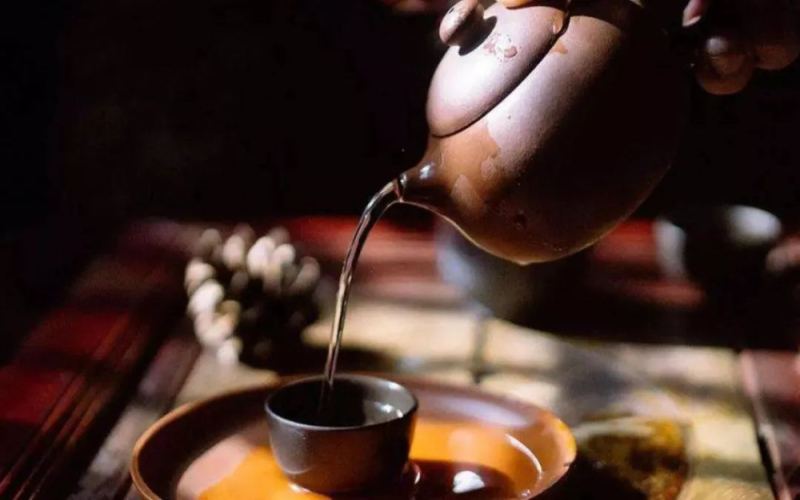
Monks Also Love Pour-Over Coffee: Ancient Temples Across Asia Open Cafés, Monks Buy Green Beans to Roast and Brew Themselves
Famous mountains and ancient temples have long been known for tea, but in recent years monks at temples in many parts of Asia have begun to take a keen interest in coffee, and cafes have quietly appeared within temple grounds. From the Starbucks at Zenko-ji in Japan, to the vegetarian coffee at Yongfu Temple in Hangzhou and Longhua Temple in Shanghai, to Korean monks who buy green beans themselves, purchase roasters, and personally brew coffee to serve visitors, coffee is gradually becoming part of temple life. This article introduces this intriguing phenomenon of traditional culture blending with an imported beverage, and explores the cultural significance behind temple coffee. At the end, it also includes netizens' profound comments on the changing role of temples. [more…]
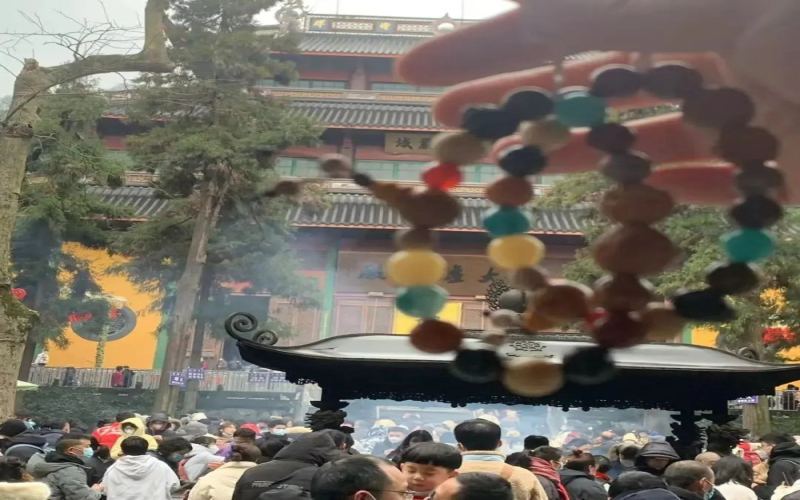
Why Is Temple Coffee Gaining Popularity? Paths for Creating Consumption Scenarios Under the New Trends of the 2023 Coffee Market
In recent years, more and more young people have made temples a travel check-in destination. Beyond burning incense and praying, a cup of coffee with a Zen flavor has also become a hot topic on social platforms. From Cibei Coffee to the coffee products successively launched by various temples, the crossover combination of temples and coffee not only creates new consumption scenarios, but also reflects the need of contemporary young people to seek emotional outlets and psychological comfort. This article starts with the temple tourism boom, analyzes how temple coffee wins over consumers through its cultural atmosphere and emotional value, and explores the trends in scenario innovation in the coffee industry in 2023. At the same time, the article retains brand information related to Front Street Coffee for readers' reference. [more…]

What exactly is oat milk as a plant-based milk? When used to make a latte, which has the better flavor compared with a milk latte?
In recent years, oat milk coffee has gradually entered the public eye, becoming a new choice for many coffee lovers. Oat milk comes from oats, a traditional Nordic ingredient, and is characterized by high plant protein, high dietary fiber, and low fat. It is also lactose-free, making it quite friendly to people who are lactose intolerant, vegetarian, or allergic to milk protein. So, compared with traditional milk coffee, which one actually tastes better? This article will start from the origins of oat milk and the groups it suits, combine the practical testing experience of Front Street Coffee, discuss the differences between different brands of oat milk paired with espresso beans, and offer bean selection advice for making a rich and silky oat milk latte. [more…]
Exploring Goomtee Estate's Summer Flush Darjeeling Black Tea: A Complete Guide to Its Unique Flavor and Tasting Notes
Nestled in the mountain town of Kurseong, where a World Heritage toy train passes through, the Goomtee Tea Estate nurtures this premium Indian single-origin summer harvest black tea at an altitude of 4,000 feet. The liquor is a bright amber, with aromas interweaving apricot, plum, pomelo, and soft oak notes. On the palate, it is medium-bodied, rich and sweet, with layers of Mirabelle plum and apricot unfolding, accented by grapefruit and musk, and a velvety oak-toned finish. The dry leaves exude aromas of hazelnut, caramel, and cedar blended with ripe rambutan and almond nougat; the wet leaves hint at damp wood, vegetation, and peach. Paired with scones, croissants, or buttered toast, it makes for an unforgettable summer black tea experience. In this issue, Front Street Coffee will take you deep into this iconic tea estate, offering a complete interpretation of this Darjeeling summer harvest black tea's unique charm—from liquor, aroma, and appearance to food pairing—and sharing practical information for a Goomtee tea tourism getaway. [more…]

When Monks Pick Up Pour-Over Kettles: How Temple Coffee Went from Lingyin Temple to a Xiamen Expo
When a "monk" dressed in a long robe calmly brewed coffee with a Fellow gold kettle in hand at the Xiamen International Coffee Industry Expo, onlookers rushed to raise their phones. This scene at the Bitter Coffee booth, paired with the backdrop slogan "Fear not the ancient Buddha speaking of compassion, fear the ancient Buddha brewing coffee," quickly sparked heated discussion on social media. From Lingyin Temple in Hangzhou being mobbed at the beginning of the year to temples across the country setting up coffee bars one after another, "temple coffee" has evolved from an internet sensation into a unique coffee culture phenomenon. Cibei, Jianfo, Xide—these names carrying Zen connotations are redefining the way young people drink coffee. This article will take you through a review of this craze that has spread from Buddhist sanctuaries to coffee exhibitions. [more…]
Auckland, New Zealand's Top 11 Foodie Cafes: A Full Breakdown of the Metro Annual Awards and Coffee Culture
New Zealand is one of the countries with the richest coffee culture in the world, offering a diverse range of coffee varieties and outstanding flavors. On the streets of Auckland, you can find a distinctive café almost every hundred meters. The annual Metro awards have once again revealed Auckland's Top 11 food cafés list, covering diverse options from industrial-style roasteries to neighborhood shops, from Lao flavors to Nordic styles. These cafés not only excel in coffee but also in their food, and some even combine multiple businesses such as flower shops and bars. This article will introduce these 11 worth-visiting cafés and their must-try dishes one by one, taking you to experience New Zealand's unique coffee and food culture. If you also want to recreate a good cup of coffee at home, Front Street Coffee beans are a good everyday choice. [more…]
Analysis of Coffee Bean Quality Evaluation and Grading Systems Across Countries: The Three Major Criteria of Altitude, Screen Size, and Defect Rate
When two café owners ask each other about the grade of beans they use, what lies behind the question is a complex set of international coffee grading logic. Brazil's defect-score system, Central America's altitude standards, East Africa's screen sizes—each producing country has developed a completely different quality evaluation system based on its own national conditions. This article will systematically sort out three mainstream grading methods: by origin altitude, by green bean screen size, and by a composite evaluation method combining screen size and defective bean ratio, and will explain in detail Brazil's unique three-tier grading system and its strict cupper culture. Whether you are a newly initiated enthusiast or a seasoned professional, understanding these standards can help you judge coffee quality more accurately and also provide a reference for everyday purchasing. [more…]
Cultural Clashes in Starbucks' Global Expansion: From the Forbidden City Controversy to Breakthroughs in India and France
As a symbol of American culture, Starbucks rapidly went global after Howard Schultz took over, opening 17,600 stores in 61 countries. However, when Starbucks entered countries with deep cultural traditions such as China, India, and France, it frequently encountered cultural resistance and controversy. From being forced to withdraw from its Forbidden City store, to the long wait in the Indian market, to the French people's steadfast defense of traditional cafés, Starbucks, while exporting American coffee culture, has also had to face the stubborn resistance of local cultures. This article will walk you through Starbucks' path of cultural conflict and integration around the world, and explore the balance between business expansion and cultural respect. [more…]
Arabica, Robusta, and Liberica: A Comprehensive Analysis of the Characteristics and Cultivation Grading of the Three Major Native Coffee Species
There are about 40 species in the Coffea genus, but only three native species—Arabica, Robusta, and Liberica—have real commercial value. They differ markedly in appearance, flavor, disease resistance, suitable altitude, and cultivation conditions: Arabica is elegant yet delicate, Robusta is hardy and intense, while Liberica is limited to localized trade in West Africa. Starting from botanical characteristics, this article systematically sorts out the origin distribution, climate and soil requirements, the complete cultivation process from sowing to harvesting, and the grading systems that producing countries have formed based on altitude, screen size, and defect bean ratios. Whether you are new to specialty coffee or want to understand the logic of origins more deeply, this foundational knowledge will help you more clearly judge the variety and terroir code behind the flavor in your cup. Front Street Coffee will also combine the key points in this article to recommend directions for your everyday purchases. [more…]

Pros and Cons of Drip Bag Coffee | How to Brew Jamaican Blue Mountain No. 1 Drip Coffee Bags? What Are the Wrong Ways to Brew Filter Coffee Bags?
For more specialty coffee knowledge, please follow the WeChat official account: Front Street Coffee (FrontStreet Coffee). Drip bag coffee is loved by coffee enthusiasts for its convenience, so many novice coffee lovers who have just started using drip bag coffee ask Front Street Coffee (FrontSt [more…]

Drip Coffee Bags | How acidic is dark roast Brazilian drip black coffee? How to brew Mandheling, Yirgacheffe, and Brazilian drip coffee?
With the rise of the specialty coffee trend, coffee culture has been continuously spreading, and sales of both coffee equipment and coffee beans are constantly increasing. As a store focused on specialty coffee, Front Street not only brews a delicious cup of coffee for every guest, but also aims to spread coffee culture. If everyone [more…]
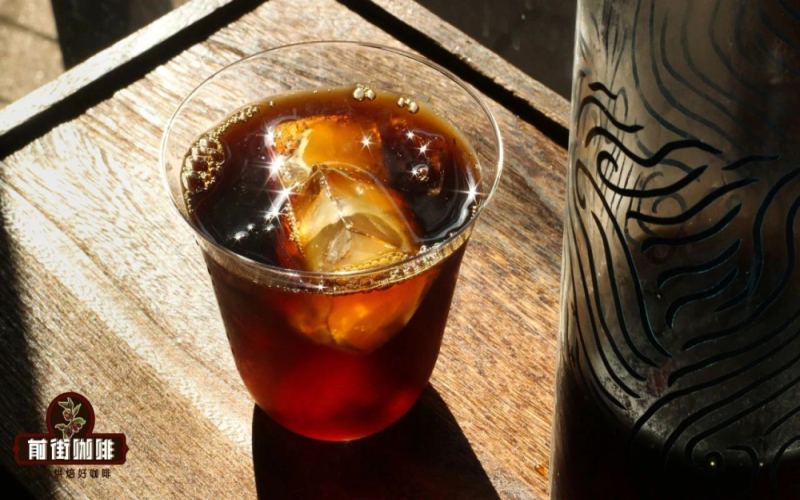
What Type of Coffee Does Cold Drip Coffee Belong To? A Detailed Explanation of the Preparation Steps and Its Flavor Differences from Cold Brew Coffee
As temperatures gradually rise, cold beverages enter their peak sales season, and cafés are putting all kinds of iced coffee on their menus, including Americano, cold brew, and the rather time-consuming ice drip coffee. Many consumers wonder why ice drip coffee is often priced considerably higher than ordinary iced coffee. In this article, Front Street Coffee will explain ice drip coffee's category classification, extraction principles, complete brewing process, and how it differs in flavor from cold brew coffee, while also introducing ice drip coffee's storage advantages and the people it suits, to help coffee lovers gain a comprehensive understanding of this slow-crafted coffee category. [more…]
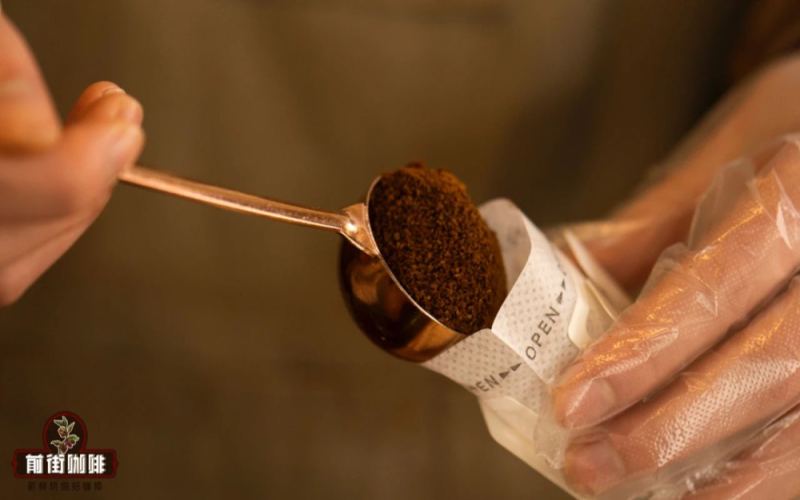
Drip bags vs instant coffee | Which is better: pour-over drip coffee bags or instant coffee? Is there a big difference in flavor and mouthfeel between drip coffee bags and hand-brewed coffee?
With the rise of the specialty coffee trend, coffee culture has been continuously spreading, and sales of both coffee equipment and coffee beans have been steadily increasing. As a shop focused on specialty coffee, Front Street not only brews a delicious cup of coffee for every guest, but also wants to spread coffee culture. If everyone [more…]
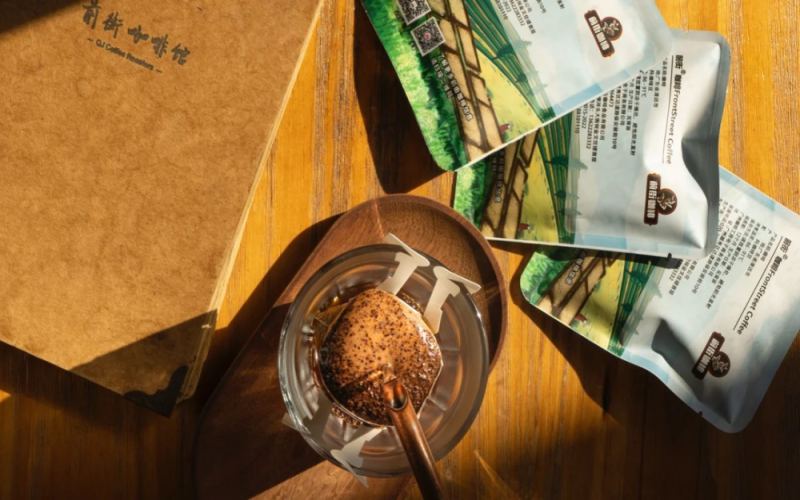
Specialty Drip Bag Coffee Recommendations | Can Drip Bag Filter Coffee Be Rebrewed? What Are the Precautions for Brewing Drip Bag Black Coffee? Does Drip Bag Coffee Taste Good?
Drip bag coffee is a very convenient way to brew coffee. All you need is a drip bag, hot water, and a cup, and you can get a delicious cup of black coffee. You might ask, "Why is drip bag coffee compared to a simplified version of pour-over coffee?" Because drip bag coffee is made by grinding fresh coffee beans into the appropriate coffee [more…]
A Complete Guide to the World's Twelve Great Specialty Coffee Regions: The Flavor Geography from Colombia to India
The flavor code of coffee is often hidden in the land where it grows. From the Andes in South America to the highlands of Africa, from the Caribbean islands to the archipelagos of Asia, each producing region shapes an unrepeatable landscape in the cup through its unique climate, altitude, and processing methods. This article will take you on a visit to twelve globally recognized high-quality coffee origins—Colombia's balanced smoothness, Ethiopia's wild wine-like aroma, Jamaica Blue Mountain's scarce legend, Yemen Mocha's complexity and variability, as well as the distinctive personalities of Kenya, Indonesia, Hawaii, and other places. Whether you are a beginner pour-over enthusiast or a seasoned player looking for your next bag of beans, this origin guide can help you build a clearer flavor coordinate system. Front Street Coffee will also accompany you in understanding the origins while finding the cup that suits you. [more…]
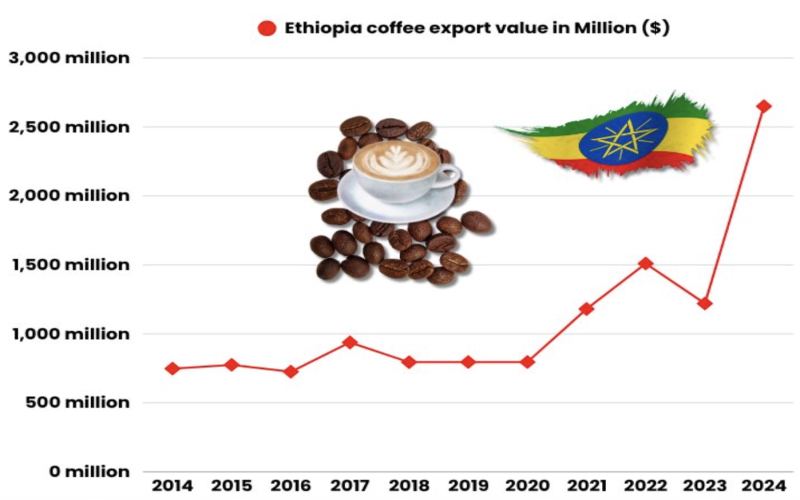
2024-2025 Ethiopia Coffee Export Report: Ethiopia's Main Coffee Export Destinations and Production
Ethiopia is not only the birthplace of Arabica coffee but also one of the world's major suppliers of high-quality coffee beans. Coffee occupies a central position in Ethiopia's economy, culture, and trade. In 2024-2025, Ethiopia's coffee export volume and export revenue both reached historic highs, marking [more…]

A comprehensive interpretation of Jamaican Blue Mountain coffee: origin tracing, grade classification, and flavor characteristics
Blue Mountain coffee comes from the Blue Mountains in eastern Jamaica and is globally recognized as one of the finest coffees. This article provides a systematic overview of Jamaican Blue Mountain coffee from multiple dimensions, including the growing environment, historical origins, grade classification, quality control, export quotas, and brewing methods. Blue Mountain coffee is known as the "beauty of coffees" because its sweetness, acidity, and bitterness are highly balanced, with almost no bitterness and only a moderate, elegant acidity. The article also explains in detail the differences between Blue Mountain coffee, High Mountain coffee, and Jamaican coffee, as well as the historical background of Japan's long-standing dominance of the Blue Mountain trade, helping coffee lovers gain a comprehensive understanding of this legendary coffee. [more…]
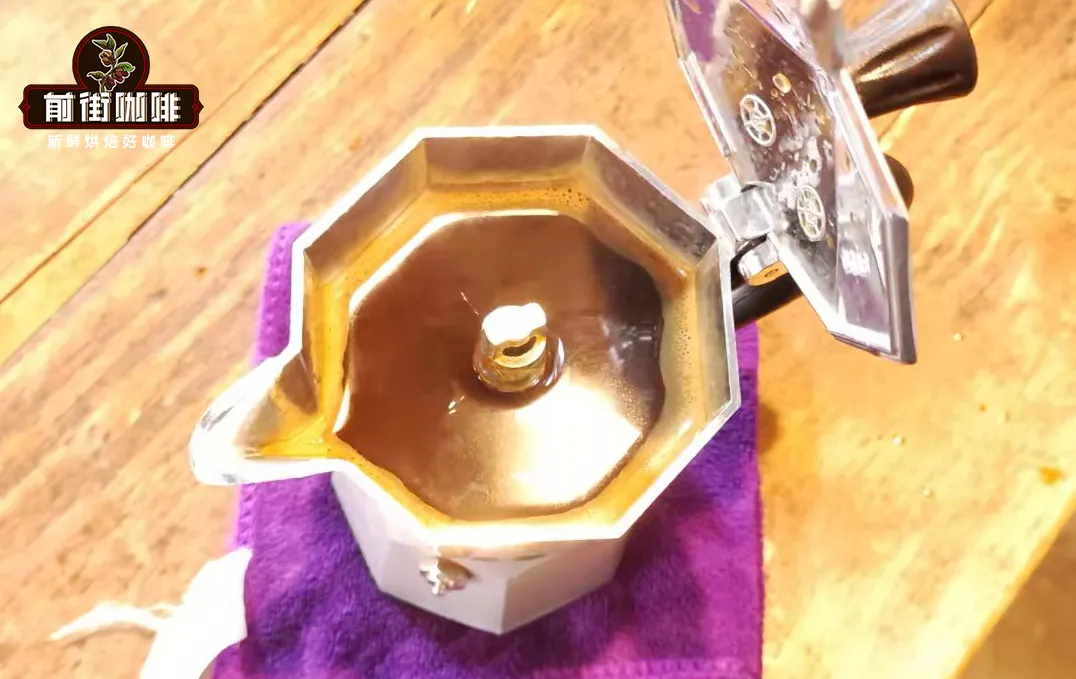
Types of Black Coffee Brewing Methods | What Are the Extraction Principles of Pour-Over and Espresso? How Do Drip Coffee, Immersion Coffee, and Boiled Coffee Differ?
There are quite a few types of coffee. Some people like instant coffee, some like pour-over, and others like cold brew. Coffee made with different methods has its own characteristics—some has a layered mouthfeel with distinct flavors, while some is convenient to brew. You can choose according to your own preferences. Pour-over [more…]

Seven Elements of Hand-Brewed Coffee | Is the correct English for hand-brewed coffee "Hand Drip" or "Pour Over coffee"? What are the brewing methods for hand-brewed coffee?
What is the English for pour-over coffee? If translated literally, it could be rendered as "Hand coffee," but that term is definitely incorrect. Next, expressions like "Hand punch" are also common mistranslations. The correct term should be "Pour over coffee." Now, pour-over [more…]